
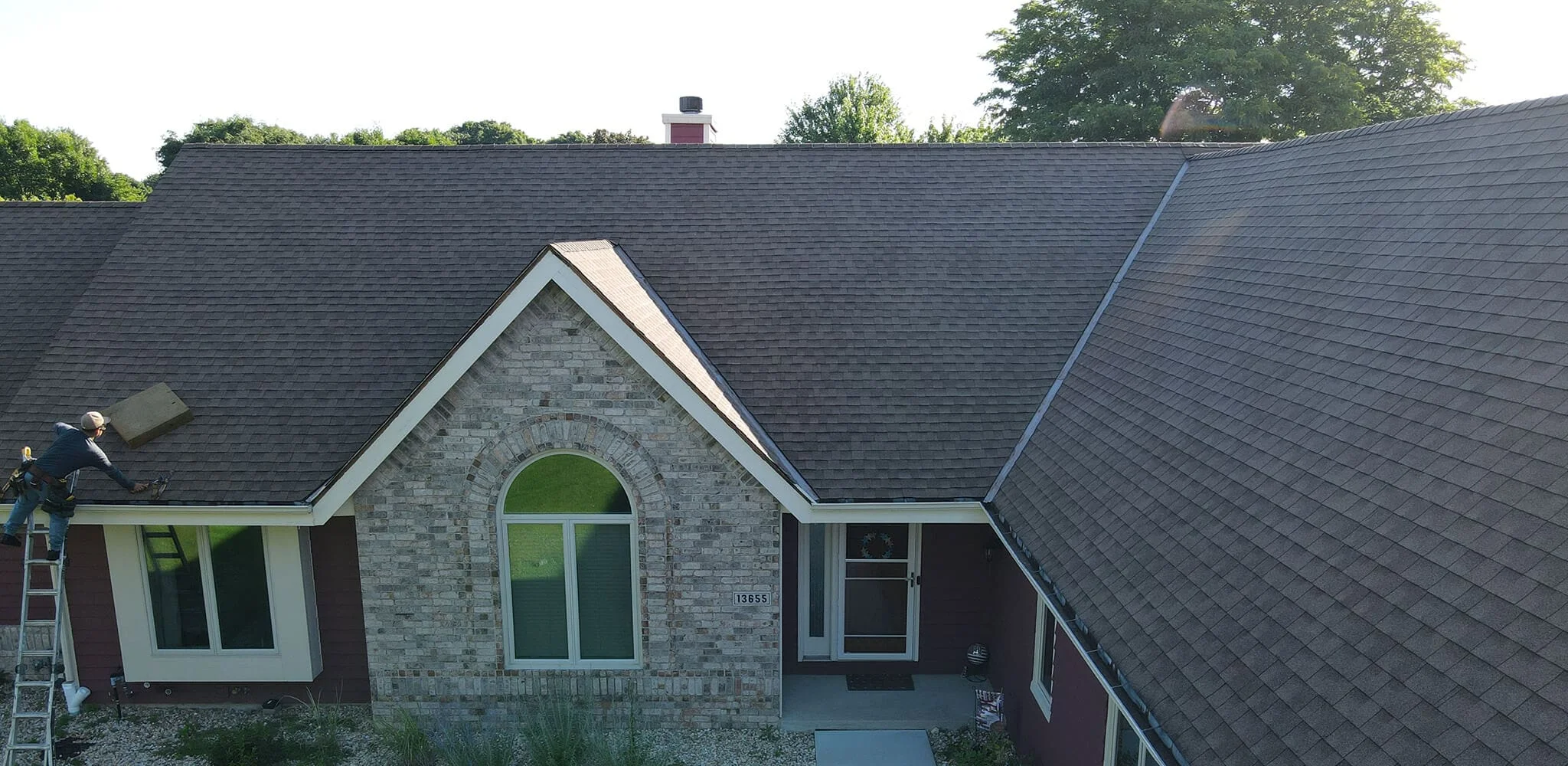
Your roof protects your home from rain, wind, heat, and storms. Over time, every roof starts to wear out. Small problems can turn into serious damage if they are ignored.
Roof replacement is not just about fixing issues. It is about protecting your home, improving energy efficiency, and increasing property value. Knowing when to replace your roof and how the process works helps you make the right decision.
What Is Roof Replacement
Roof replacement means removing your old roofing system and installing a completely new one. This includes:
- Removing old shingles or materials
- Inspecting the roof deck
- Installing underlayment
- Adding flashing and ventilation
- Installing new roofing materials
Unlike simple repairs, replacement addresses the entire roofing system to ensure long-term durability.
Signs You Need Roof Replacement
Recognizing early warning signs can help you avoid costly interior damage.
Common signs include:
- Roof age over 20–25 years
- Frequent leaks or water damage
- Missing, cracked, or curling shingles
- Sagging areas on the roof
- Granules collecting in gutters
- Daylight visible through attic
If multiple signs appear at the same time, roof replacement is usually the best option.
Roof Replacement Cost Breakdown
The cost of roof replacement depends on several factors such as size, materials, and labor.
Average Cost by Material
| Roofing Type | Estimated Cost |
|---|---|
| Asphalt Shingles | $5,000 – $12,000 |
| Metal Roofing | $10,000 – $25,000 |
| Tile Roofing | $15,000 – $30,000 |
| Flat Roofing | $6,000 – $15,000 |
Factors That Affect Cost
- Roof size and slope
- Type of materials used
- Labor costs in your area
- Structural repairs needed
- Accessibility of the roof
Investing in quality materials and proper installation can reduce long-term repair costs.
Roof Replacement Process
Understanding the process helps reduce stress and ensures everything goes smoothly.
Step 1: Roof Inspection
A professional checks the condition of your roof and identifies all damage.
Step 2: Estimate & Planning
You receive a detailed quote and choose materials and timeline.
Step 3: Tear-Off
Old roofing materials are removed completely.
Step 4: Deck Inspection
The roof deck is checked for damage and repaired if needed.
Step 5: Installation
New underlayment, flashing, and roofing materials are installed.
Step 6: Final Inspection & Cleanup
The contractor ensures everything is secure and cleans the area.
Best Roofing Materials for Replacement
Choosing the right material impacts durability and performance.
Popular options:
- Asphalt Shingles – Affordable and widely used
- Metal Roofing – Long-lasting and energy-efficient
- Tile Roofing – Durable and visually appealing
- Flat Roofing Systems – Ideal for commercial properties
Each material has different benefits depending on your budget and climate.
How Long Does Roof Replacement Take
Most residential roof replacements take 1 to 3 days. Larger or complex roofs may take longer.
Factors that affect timeline:
- Roof size
- Weather conditions
- Material type
- Structural repairs
A professional contractor will give you a clear timeline before starting.
Benefits of Roof Replacement
Replacing your roof offers several long-term benefits:
- Improved home protection
- Increased property value
- Better energy efficiency
- Reduced repair costs
- Enhanced curb appeal
It is a long-term investment that improves both safety and comfort.
Roof Replacement vs Roof Repair
Understanding the difference helps you choose the right solution.
Choose Repair if:
- Damage is minor
- Roof is relatively new
- Issues are isolated
Choose Replacement if:
- Roof is old
- Damage is widespread
- Multiple repairs are needed
In many cases, replacement saves more money over time.
How to Choose the Right Roofing Company
Selecting the right contractor is critical for a successful project.
Look for:
- Licensed and insured professionals
- Strong local reputation
- Clear and detailed estimates
- Warranty on materials and labor
- Experience with your roofing type
Avoid choosing based on price alone. Quality work ensures long-term performance.
Common Roof Replacement Mistakes to Avoid
- Choosing cheap materials
- Hiring unlicensed contractors
- Ignoring ventilation issues
- Skipping inspections
- Delaying replacement too long
Avoiding these mistakes can prevent future problems.
Maintenance Tips After Roof Replacement
Proper maintenance extends the life of your new roof.
- Schedule annual inspections
- Clean gutters regularly
- Remove debris
- Check for small issues early
Simple maintenance helps protect your investment.
Conclusion
Roof replacement is one of the most important investments for your home. It improves safety, efficiency, and long-term value.
If your roof shows signs of aging or damage, taking action early can prevent costly repairs and give you peace of mind.
FAQs (Readable + SEO Optimized)
How do I know if I need a roof replacement?
If your roof is old, leaking, or has widespread damage, replacement is usually the best option.
How long does a roof replacement last?
Most roofs last between 20 to 50 years depending on the material used.
Can I stay in my home during roof replacement?
Yes, but there may be noise during the process.
Does insurance cover roof replacement?
Insurance may cover replacement if damage is caused by storms or accidents.
What is the best roofing material?
Asphalt shingles are common, but metal and tile offer longer lifespan.
CTA (Conversion Section)
Get a Free Roof Inspection Today
Find out if your roof needs repair or replacement. Our experts provide honest recommendations and quality solutions designed to protect your home.


